
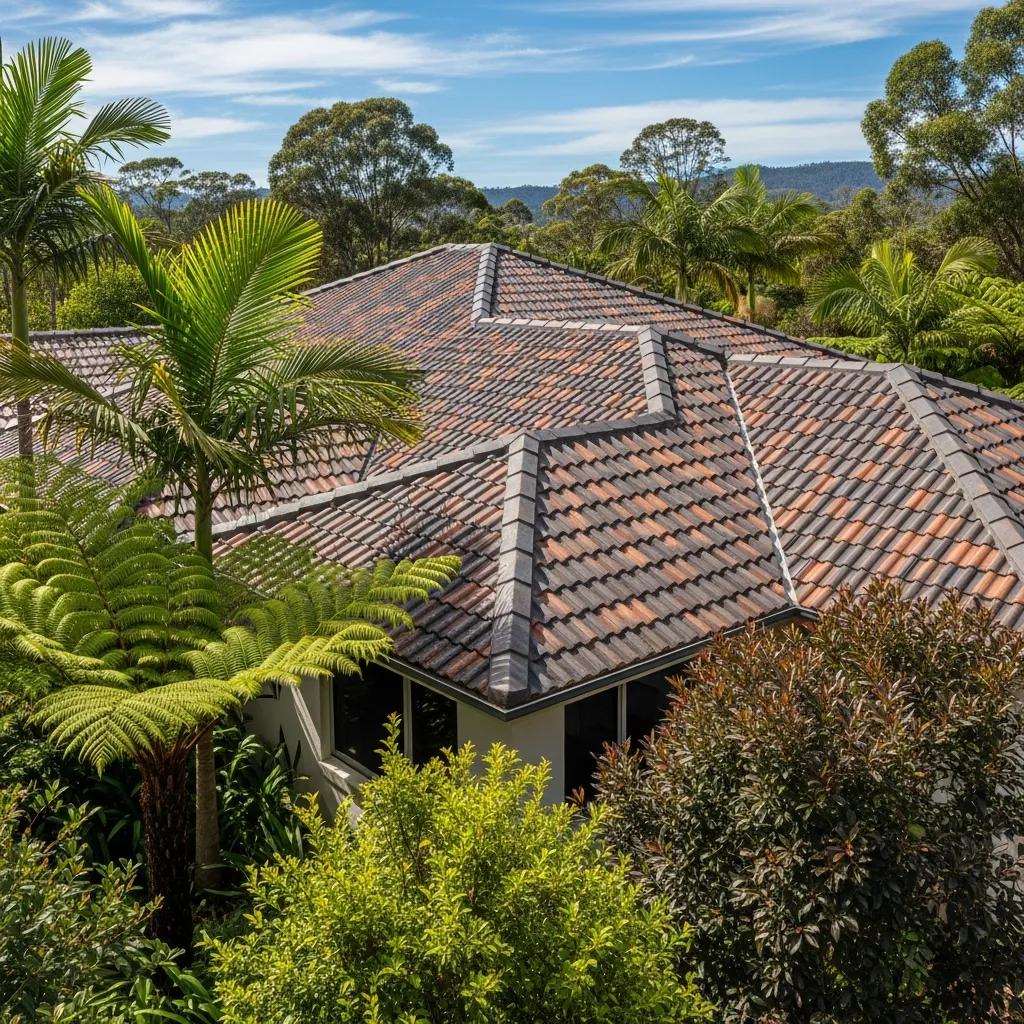
Tile Roof Installation — Kyogle's Trusted Choice for Stylish, Long‑Lasting Tile Roofs
Tile roofing is a favourite in Kyogle because it balances clean visual appeal with proven durability. Below, we explain the key benefits of tile roofs, how Nathan Crake Roof Plumbing approaches tile installation, and simple maintenance steps to keep your roof performing for years. Picking the right roof material is about matching style with structure — tile gives you plenty of design choices and strong, long‑term performance. Read on for practical advice on materials, installation, repairs and ongoing care so you can protect your investment.
Why choose tile roofing in Kyogle?
Tile roofs offer several practical benefits for Kyogle homes. They give you a wide range of colours and profiles to suit different house styles, and they’re built to last — many tile roofs can provide reliable service for decades with the right care. Tile materials also resist weathering well, which helps reduce long‑term upkeep and ownership costs.
At Nathan Crake Roof Plumbing, we specialise in tile roof installations tailored to each home. That means we focus on sound detailing and quality installation so the finished roof looks great and performs reliably for years to come.
How tile roofing improves both style and lifespan
Tiles let you match your roof to the look you want — from classic terracotta tones to modern concrete finishes. Combined with a long service life and relatively low maintenance needs, tiles reduce the total cost of ownership over time. Their weather resistance also makes them a resilient choice for our local conditions.
How Nathan Crake Roof Plumbing installs tile roofs in Kyogle
Nathan Crake Roof Plumbing delivers tile installations with careful planning and tradespeople who know tile systems. We source the right materials, ensure correct underlay and flashings, and follow proven installation methods so the roof seals correctly and performs as expected. Our priority is a tidy, durable finish that protects your home and looks right.
Which tile materials are common in Kyogle?
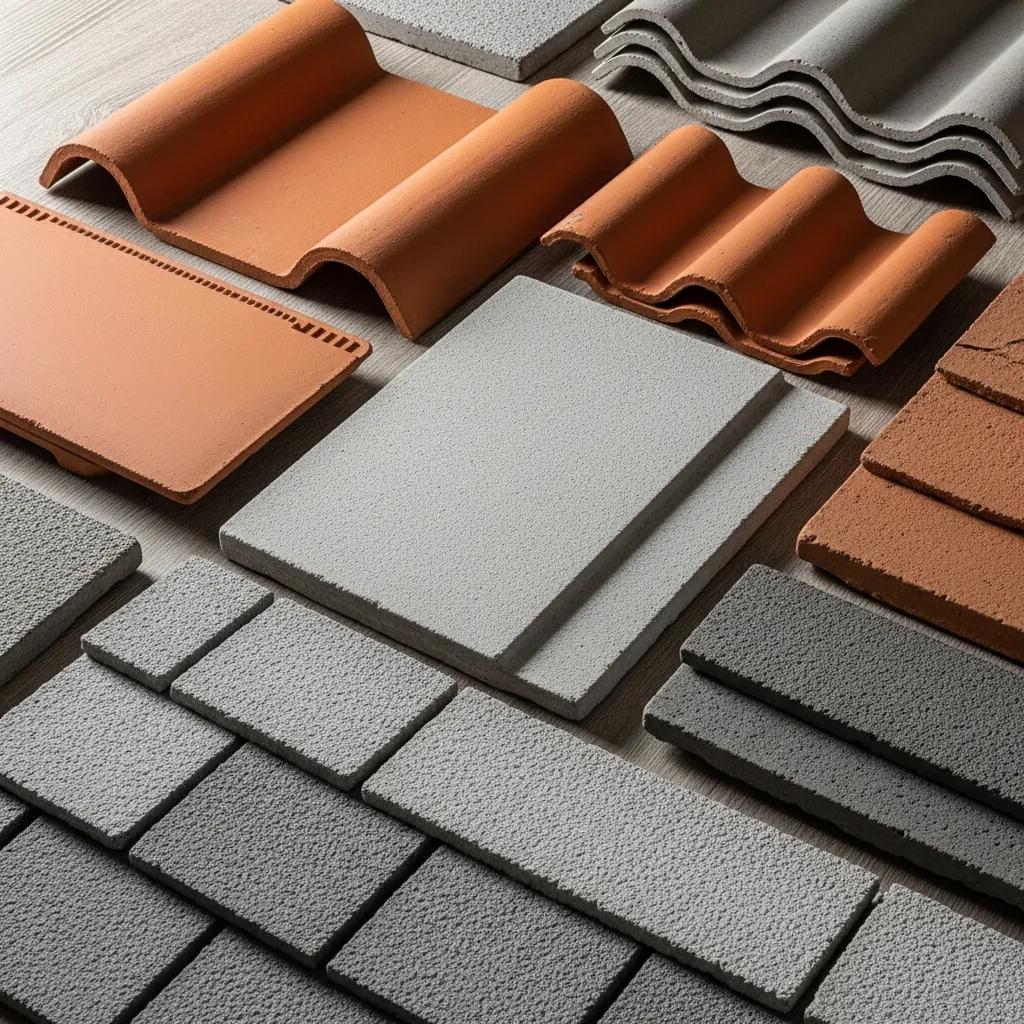
Homeowners in Kyogle typically choose between terracotta and concrete tiles. Terracotta offers a timeless look and good thermal performance. Concrete tiles are versatile, very durable and come in many profiles and colours. Slate is another option where its natural appearance and longevity suit the property, though it can need more specialised installation and care. We will help you weigh up appearance, durability and maintenance when deciding.
Crafting Kyogle's Tile Roofs: Blending Style and Durability
Book a repair or restoration if you find cracked or missing tiles, active leaks, or deterioration around flashings and ridge capping. Aim for an inspection at least once a year and after any severe storm — catching issues early avoids bigger, more expensive problems. Coastal humidity and heavy weather can accelerate wear, so timely repairs are especially important in those conditions.
How roof plumbing services support tile roofs in Kyogle
Good roof plumbing is essential for a tile roof to function properly. Correct gutters, downpipes, flashings and drainage keep water moving away from the roof and prevent leaks. Nathan Crake Roof Plumbing provides integrated roof plumbing work that complements tile installations, so all parts of the roof system work together to protect your home.
How to maintain and protect your tile roof in Kyogle
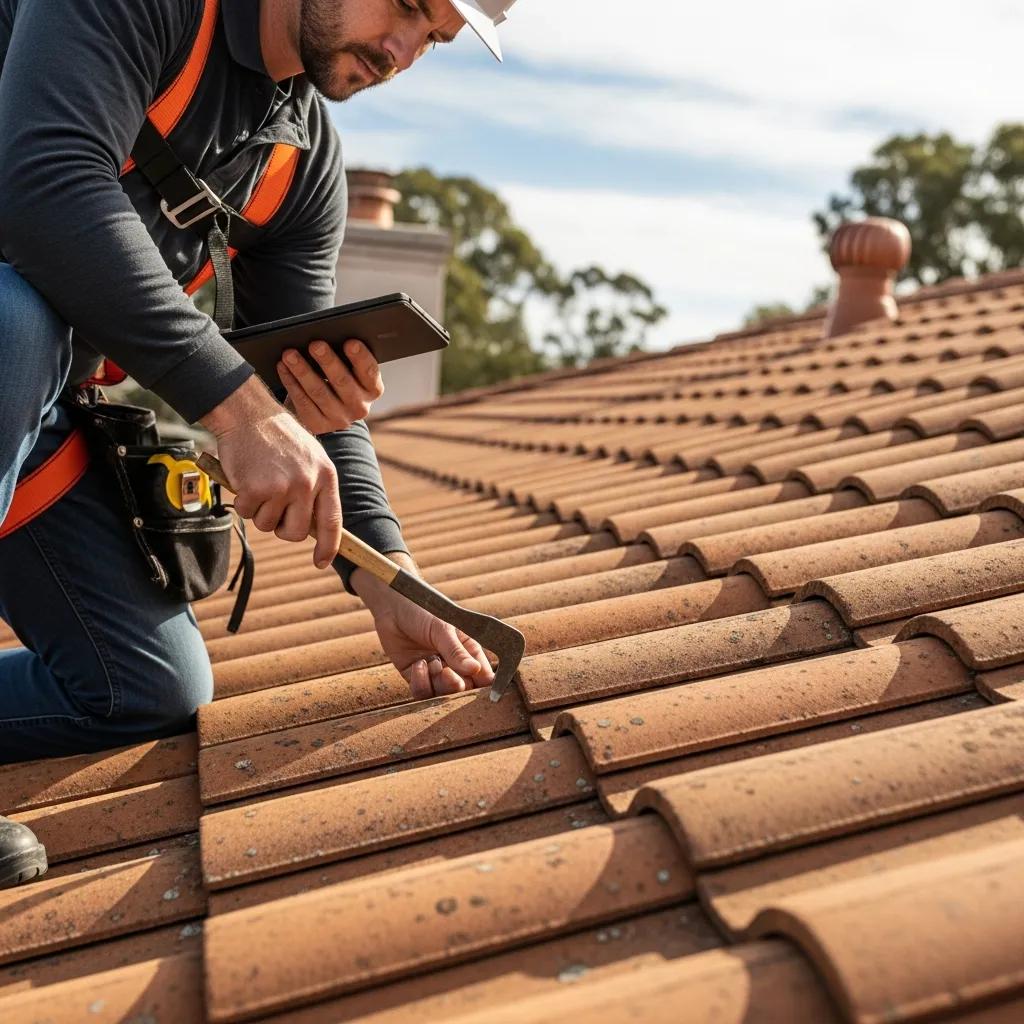
Regular checks and basic cleaning go a long way toward keeping a tile roof healthy. Remove debris and moss build‑up, keep gutters clear, and address any broken tiles or loose flashings quickly. Where appropriate, a quality waterproofing treatment can add protection against moisture and extend the roof’s service life.
Best practices for tile roof waterproofing in the Northern Rivers
Effective waterproofing combines inspection, cleaning and correct products. Key practices include:
- Regular Inspections: Have the roof checked at least annually and after storms to spot problems early.
- Debris Removal: Keep tiles, valleys and gutters free of leaves and other debris so water can run off cleanly.
- Sealant Application: Where recommended, apply high‑quality waterproof coatings or sealants to vulnerable areas to improve moisture resistance.
Following these steps will help preserve both appearance and performance over the long term.
Different tile types suit different priorities — whether you favour a heritage look, modern lines or maximum toughness.
| Material Type | Aesthetic Appeal | Durability | Maintenance Level |
|---|---|---|---|
| Terracotta | Classic, warm tones | High | Low |
| Concrete | Modern, versatile | Very High | Moderate |
| Slate | Elegant, natural | Very High | High |
Use this comparison to match material strengths with your home’s look and maintenance expectations — and get advice from an experienced roofer when choosing.
Frequently Asked Questions
What are the environmental benefits of tile roofing?
Tile roofing offers several environmental advantages, particularly in terms of energy efficiency and sustainability. The thermal mass of tile materials helps regulate indoor temperatures, reducing the need for heating and cooling. Additionally, many tile options are made from natural materials, which can be more eco-friendly than synthetic alternatives. Tile roofs also have a long lifespan, which means fewer resources are consumed over time for replacements. When properly maintained, they can contribute to lower energy bills and a reduced carbon footprint for homeowners.
How does tile roofing compare to other roofing materials?
Tile roofing stands out for its durability, aesthetic appeal, and low maintenance requirements compared to other materials like asphalt shingles or metal. While asphalt may be cheaper initially, it typically has a shorter lifespan and requires more frequent replacements. Metal roofs are durable but can be prone to denting and may not offer the same aesthetic variety as tiles. Tile roofs, particularly terracotta and concrete, provide a unique look and can withstand harsh weather conditions, making them a long-term investment for homeowners.
Can I install tile roofing myself, or should I hire a professional?
While some homeowners may consider DIY installation for tile roofing, it is generally recommended to hire a professional. Tile roofing requires specific skills and knowledge to ensure proper installation, including understanding the correct underlay, flashings, and drainage systems. A professional installer, like Nathan Crake Roof Plumbing, can ensure that the roof is sealed correctly and meets local building codes, which can prevent costly mistakes and ensure the roof’s longevity and performance.
What should I do if I notice a leak in my tile roof?
If you notice a leak in your tile roof, it is crucial to address it promptly to prevent further damage. Start by inspecting the area for visible signs of damage, such as cracked or missing tiles. If you are unable to identify the source of the leak, it is best to contact a professional roofing service for a thorough inspection. They can assess the situation and recommend necessary repairs or maintenance to restore the integrity of your roof and prevent future leaks.
How often should I have my tile roof inspected?
It is advisable to have your tile roof inspected at least once a year, as well as after severe weather events. Regular inspections help identify potential issues early, such as cracked tiles or deteriorating flashings, which can lead to more significant problems if left unaddressed. By scheduling annual inspections with a qualified roofing professional, you can ensure that your roof remains in good condition and prolong its lifespan, ultimately protecting your investment.
What are the signs that my tile roof needs repair?
Several signs indicate that your tile roof may need repair. Look for cracked, chipped, or missing tiles, as these can compromise the roof’s integrity. Additionally, check for water stains on your ceilings or walls, which may indicate leaks. Deterioration around flashings and ridge capping is another red flag. If you notice any of these issues, it is essential to contact a roofing professional for an inspection and necessary repairs to prevent further damage to your home.