
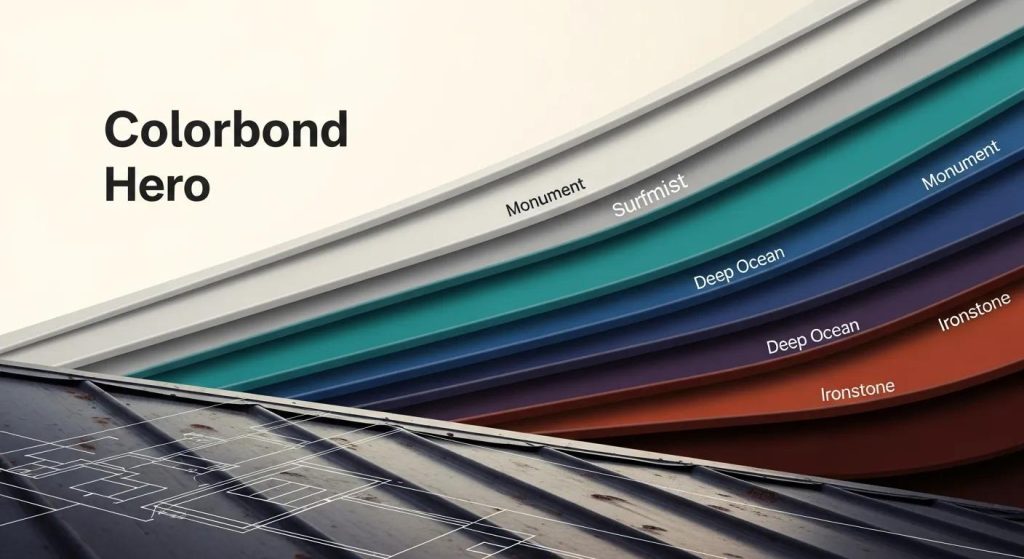
Colourbond Roofing: Optimal for Northern Rivers Homes and Businesses
Colourbond is BlueScope’s pre-painted steel roofing system. It combines a steel core with factory-applied coatings to give long-lasting protection suited to Australian conditions. This guide explains how Colourbond performs in the Northern Rivers — why builders and owners pick it for coastal and bushfire-exposed sites, and how choices around colour, reflectivity and maintenance affect its long-term value. If you need straightforward advice on durability, BAL (Bushfire Attack Level) compliance, what influences your investment, energy performance or finding reliable installers, this article covers those topics with local context. You’ll find clear explanations of the key benefits, factors influencing your investment, commercial fit-out options, sustainability implications, maintenance notes, and practical steps to source vetted installers. We also highlight where Nathan Crake Roof Plumbing can help with commercial enquiries. Read on for why Colourbond suits Northern Rivers conditions and the practical steps to specify or replace a roof.
What Are the Key Benefits of Colourbond Roofing for Northern Rivers Homes and Businesses?
Colourbond gives you pre-painted, corrosion-resistant steel with a protective finish designed to handle weathering — a sensible metal roofing choice for coastal and changeable climates. Its protection comes from a steel substrate, a metallic coating and a factory paint system that together slow corrosion and keep the roof looking good longer. For the Northern Rivers, the main benefits are resilience in humid coastal areas, strong fire performance when detailed for BAL, and predictable long-term value thanks to low routine maintenance. That makes Colourbond a popular choice for both homes and commercial fit-outs where speed of installation and long-term reliability matter. Below are the practical benefits to consider for local projects.
Top benefits for local properties:
- Durability near the coast: engineered coatings help resist salt spray and moisture-related corrosion.
- Fire performance and BAL suitability: the steel substrate is non‑combustible when installed with the right details.
- Whole-of-life value: lower maintenance and a long service life reduce ongoing costs.
- Energy savings potential: reflective colours and specialised finishes can cut heat gain and cooling use.
These points explain why many owners choose Colourbond for new roofs and commercial fit-outs in the region. Knowing how each feature works helps you specify the right product for local conditions.
Below is a quick technical snapshot you can use when comparing options with suppliers or contractors.
| Performance Attribute | Technical Mechanism | Result for Northern Rivers |
|---|---|---|
| Corrosion resistance | Metallic coating + pre-painted finish | Lower rust risk in coastal salt zones |
| Lifespan | Durable steel substrate + finish system | Longer service intervals compared with untreated metals |
| Fire performance | Non-combustible substrate | Better BAL performance when detailed correctly |
| Maintenance demand | Factory finish + low porosity | Less frequent cleaning and repairs |
Use this table to quickly see how each technical feature translates to a local outcome. The sections that follow go deeper into durability, coastal and bushfire relevance.
How Does Colourbond Roofing Enhance Durability and Lifespan in Northern Rivers?
Colourbond’s durability comes from its layered make-up: steel core, protective metallic coatings and a factory paint finish. The metallic layer offers sacrificial protection while the paint seals the steel from moisture and salt-laden air, slowing oxidation common near the coast. Practically, that means longer intervals between repairs and slower cosmetic wear compared with untreated metals, which helps owners plan for long-term value. For best results locally, specify the right corrosion-zone grade and make sure flashings, gutters and other roof plumbing are detailed and installed correctly to keep the protective envelope intact.
Why Is Colourbond Roofing Ideal for Coastal and Bushfire-Prone Areas?
Colourbond suits both coastal and bushfire-exposed sites because the steel substrate is non-combustible and the coatings resist salt-induced corrosion when the correct product grade is chosen. In coastal locations, selecting the appropriate corrosion-zone rating and rinsing or cleaning roofs after heavy salt exposure reduces salt build-up that speeds wear; good detailing, including sealed flashings, limits moisture ingress. In bushfire-prone settings, the non-combustible substrate helps BAL performance if combined with compliant sarking, ember guards and correct installation. Specifying the right grade, detailing and maintenance plan aligns the product with local hazards and keeps the roof performing for its expected lifespan.
Next, let’s chat about the investment in Colourbond roofing and what influences its value locally.
Understanding Your Investment in Colourbond Roofing in Northern Rivers
The investment in Colourbond roofing locally depends on roof area, complexity, profile and finish choice. Generally, Colourbond offers excellent value compared with premium tiles and often delivers better long-term benefits than higher‑maintenance options. Your quote will be shaped by material profile and finish, access and scaffolding needs, insulation and linings, and any compliance work for BAL or commercial certification. To get a clear estimate, assess roof area, pitch, penetrations and access, and think about finish choices — high-reflectance colours or specialist coatings can influence the overall investment. Below are the main factors to check before asking for quotes.
Primary factors that influence your Colourbond investment locally:
- Roof size, pitch and complexity: more penetrations and awkward angles increase labour and waste.
- Material profile and finish: longspan, specialty profiles and premium finishes influence the overall investment.
- Site access and scaffolding: difficult or staged access adds time and effort.
- Insulation, sarking and flashings: extra roof plumbing and compliance work influence the overall investment.
Knowing these factors helps you prepare accurate documentation for quotes. The table below summarises comparative value against common alternatives.
| Material | Long-Term Performance | Care Requirements | Typical Project Range |
|---|---|---|---|
| Colourbond (pre-painted steel) | Long (factory-coated) | Low | Commercial fit-outs and residential re-roofs |
| Tile roofing | Long but variable | Moderate to high | Heritage homes and premium finishes |
| Other metal profiles | Moderate | Moderate | Lightweight sheds and budget roofs |
This comparison positions Colourbond as a balanced choice for many local projects — predictable, quick to install and efficient over time when specified correctly. The following sections explain the drivers and value trade-offs in more detail.
What Factors Influence Your Colourbond Roofing Investment in Northern Rivers?
Final proposals reflect roof geometry, profile choice, finish, required fall-arrest and scaffolding, plus any BAL or documentation needs. Complexity and limited access raise labour and risk considerations; premium finishes add material considerations; compliance work can require extra certification. To manage your investment, provide accurate roof plans, clear access photos and a firm brief on finish and insulation at the enquiry stage. Complete information helps installers give reliable proposals and reduces the chance of unexpected variations during the job.
With good project details and an inspection scheduled, you can compare long-term performance against other materials.
How Does Colourbond Compare to Other Roofing Materials in Value?
Colourbond usually installs faster and needs less routine upkeep than clay or concrete tiles, which can offer better long-term value even if lifespans are similar. Advantages include quicker longspan installation, lighter weight (less structural requirement) and a factory finish that cuts repainting. When judging value, consider the initial investment alongside maintenance frequency, thermal performance and replacement cycles — Colourbond often offers strong whole-of-life value for commercial fit-outs where programme time and minimal disruption matter. Use the comparison table with your project priorities (acoustics, heritage look, etc.) to decide what matters most.
Next, we outline local commercial services for Colourbond installations and fit-outs.
What Commercial Roofing Solutions Does Nathan Crake Roof Plumbing Offer with Colourbond in Northern Rivers?
Nathan Crake Roof Plumbing delivers commercial fit-out roofing using Colourbond systems, tailored to projects that need professional roof plumbing and reliable metal roofing. Services focus on staged installation to limit disruption, specification advice for BAL and coastal corrosion zones, and thorough handover packs to support project documentation and compliance. For commercial clients, the value is coordinated project management, trade coordination and clear project documentation and compliance outcomes. The table below summarises common commercial packages in a format useful for procurement teams.
| Project Type | Scope | Typical Timeline | Documentation / Compliance |
|---|---|---|---|
| Commercial fit-out roofing | Supply, installation, flashings and on-site coordination | Weeks to staged months, depending on size | Manufacturer product information + installer handover documentation |
| Industrial shed re-roof | Profile supply and replacement of roof plumbing components | Short programmes with staged access | Compliance with relevant codes and certification records |
| Multi-stage retrofit | Phased replacement and integration with insulation | Staged delivery to suit operations | Detailed inspection and maintenance schedule provided |
That table outlines typical packages and expected outcomes; always ask for project-specific timelines and compliance details when you request a quote. The following sections cover project examples and how installations meet quality and compliance requirements.
Which Commercial Projects Showcase Colourbond Roofing Benefits Locally?
Useful case studies show the initial challenge, the Colourbond solution chosen, installation timeframe and measurable outcomes — for example, reduced maintenance costs or shorter programmes. Typical examples include retail fit-outs needing quick roof replacement with minimal downtime, industrial re-roofs where corrosion resistance extends asset life, and staged hospitality projects where finish and thermal performance matter. Sharing verified local case data helps procurement teams set realistic expectations — Nathan Crake Roof Plumbing can assemble these examples for commercial enquiries on request.
Those project examples lead into how quality and compliance are handled on commercial jobs.
How Do Commercial Colourbond Roof Installations Meet Quality and Compliance Standards?
Commercial jobs ensure quality and compliance by adhering to manufacturer guidelines and installer workmanship standards, and by documenting installation and inspection records. Product quality typically covers coating performance under set conditions; installer workmanship covers flashings and drainage. Ensuring lasting performance means using the correct materials, following certified installation practices and keeping inspection records. For BAL and building-code compliance, installers document sarking, ember protection and penetrations — these records are usually included in the handover pack for your peace of mind. Commercial clients should request scope statements and compliance certificates at the quote stage so responsibilities are clear.
Next, we cover how Colourbond helps with energy efficiency and internal comfort.
How Does Colourbond Roofing Improve Energy Efficiency and Thermal Comfort in Northern Rivers?
Colourbond can cut solar heat gain when you pick reflective colours and cool finishes that increase solar reflectivity and emissivity. Lighter, high‑reflectance colours reflect more solar radiation, reducing heat transfer into roof cavities and interiors; pairing the roof with good insulation and ventilation increases the benefit. For both fit-outs and homes, choosing the right colour and integrating insulation and ventilation can lower air‑conditioning demand and improve comfort. The following subsections outline colour and finish choices and the material’s role in sustainable building strategies.
What Colourbond Colours and Finishes Maximise Energy Savings?
Light, high-reflectance colours deliver the best reductions in heat gain. Specialised cool finishes that reflect near-infrared radiation improve performance further. The effect depends on surface reflectivity and emissivity: finishes with high solar reflectance absorb less heat and pass less heat into the building. Balance thermal benefit with aesthetics and local planning rules; in many commercial projects, a high‑reflectance finish plus adequate insulation gives the best operational energy outcome. Talk about colour choice early so roofing meets both energy targets and visual requirements.
Understanding finishes shows how Colourbond fits into broader sustainability goals.
How Does Colourbond Roofing Contribute to Sustainable Building Practices?
Colourbond supports sustainability through the recyclability of steel, potential reductions in operational energy from reflective finishes, and a long service life that lowers material turnover. Over a building’s life, this can mean fewer replacement materials and the option to pair roofs with insulation and passive ventilation to cut operational carbon. For commercial projects pursuing sustainability targets, documenting recycled content, expected lifespan, and estimated energy savings helps quantify environmental benefits for reporting. That documentation can support fit-out sustainability claims and asset reporting.
Next, we cover maintenance steps to preserve these benefits.
What Maintenance Options Are Available for Colourbond Roofing in Northern Rivers?
Colourbond needs regular visual checks, gutter and flashing cleaning, and attention to salt build‑up in coastal areas to protect the factory finish and ensure lasting performance. Preventative maintenance — clearing debris, rinsing salt deposits when needed, and checking fixings and flashings — reduces the risk of localised corrosion and coating failure. Long-term performance depends on correct installation and documented maintenance.
Use the seasonal checklist below for Northern Rivers conditions.
- Inspect gutters and downpipes each season and clear leaf litter to avoid standing water.
- Rinse roof surfaces after heavy salt‑spray events to limit salt accumulation.
- Check flashings and penetrations after storms and arrange professional inspections for suspect corrosion.
- Keep records of inspections and any professional work for your peace of mind and future reference.
Following these steps reduces long-term repair costs and helps keep your roof performing beautifully.
How Should Northern Rivers Residents Maintain Their Colourbond Roofs?
Adopt a seasonal routine of visual checks, gutter cleaning and targeted rinsing in coastal areas to reduce salt and debris build-up. Removing organic matter and salt stops trapped moisture and abrasive particles that speed coating wear; inspecting flashings finds early problems before leaks occur. For safety and to ensure lasting performance, schedule professional inspections at recommended intervals and after severe weather, and keep records of any tradespeople and work completed. A documented maintenance history helps your roof perform over time.
With maintenance information in place, the final section explains how to find trusted installers and request a quote.
Where Can Northern Rivers Residents Find Trusted Colourbond Roof Installers?
Finding a reliable Colourbond installer means checking licences and insurance, reviewing local case studies and documentation practices, and requesting a detailed site inspection and written quote. Good vetting includes asking for project examples that addressed coastal and BAL conditions, confirming what handover documentation will be provided, and seeing the installer’s approach to staging and access management for commercial fit-outs. Below is a practical checklist to use when evaluating contractors.
Checklist when vetting installers:
- Ask for documented project references or case studies that cover coastal and BAL conditions.
- Confirm the installer’s process for project documentation and what you receive at handover.
- Request details on staging, access management and site-specific risk mitigation.
- Check whether the installer coordinates roof plumbing and flashings as part of the scope.
These checks help ensure the installer understands local risks and will supply the records needed for compliance and your peace of mind.
Why Choose Nathan Crake Roof Plumbing for Colourbond Roofing Installations?
Nathan Crake Roof Plumbing specialises in roof plumbing and roofing services for commercial fit-outs and local projects. They focus on compliance, project documentation and coordinating with other trades to keep disruption low. Their experience with commercial procurement means they can provide the documentation commercial clients expect. When choosing a partner, ask about their approach to BAL compliance, corrosion-zone specification and handover documentation to ensure long-term satisfaction. Nathan Crake Roof Plumbing is available as a local option during the quote stage for commercial enquiries.
The final section explains what to prepare for a quote or site visit.
How to Request a Quote or Consultation for Colourbond Roofing in Northern Rivers?
To get an accurate quote, prepare roof area measurements or scaled drawings, clear photos of roof planes and access, notes on existing insulation and any BAL or coastal exposure concerns, and your preferred finish and timing. Most installers will want an on-site inspection to confirm roof geometry, access and any staging or compliance needs before issuing a fixed quote. When you receive a written quote, check inclusions for flashings, gutters, insulation and project documentation, and ask how staging will work for commercial projects to align with operations. For commercial enquiries, share programme constraints and documentation expectations up front so the installer can deliver a complete proposal and handover pack.
Following these steps will streamline procurement and position your project for a smooth delivery with clear project documentation and lasting satisfaction.