
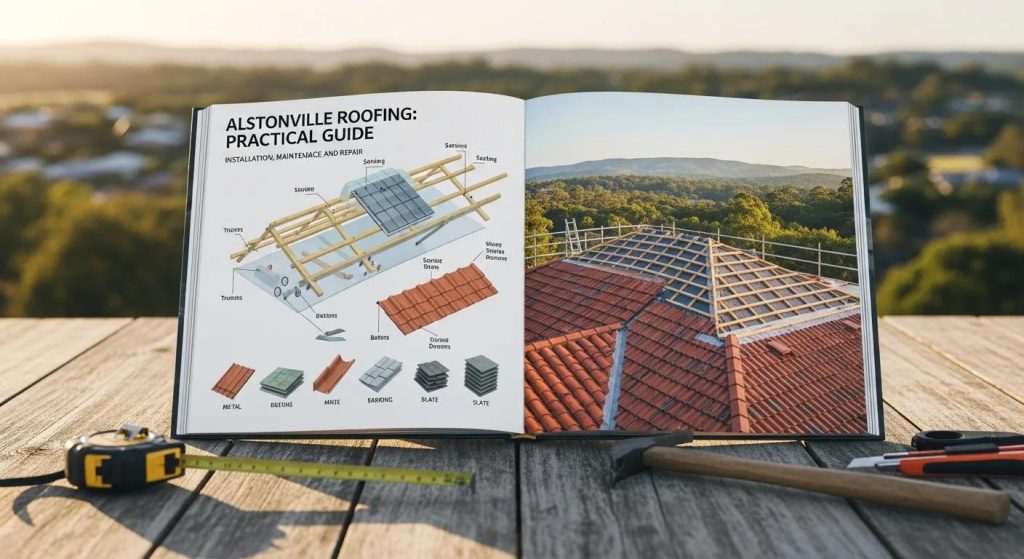
Alstonville Roofing: A Practical Guide
Choosing the right roofer in Alstonville means looking at their real skills, material knowledge, and experience, especially for commercial projects. This guide lays out the core criteria for assessing local roofers, explains how materials and the Northern Rivers climate influence project considerations, and gives practical questions to ask before you hire. Homeowners and commercial fit‑out decision‑makers will learn how to compare tradespeople on experience, licensing, workmanship coverage, and material sourcing so they can commission work with confidence. The guide also profiles a local specialist serving Alstonville, highlights common competitor patterns, and offers a localised material framework suited to the region’s weather and building types. Use the checklists and comparison notes below to shortlist contractors, confirm credentials, and request detailed proposals that reflect true scope and value.
What to Compare When Choosing an Alstonville Roof Specialist
Start with a short set of objective checks that predict how a project will run: proven local experience, current licences and insurance, the quality of materials and supplier relationships, comprehensive workmanship coverage, and consistent response times and transparent proposals. These items support one another: local knowledge guides correct material and flashing choices for the Northern Rivers, insurance shifts financial risk away from you, and workmanship coverage shows a contractor’s confidence in their work. Below is a compact checklist you can use when assessing candidates, followed by a simple table that shows how typical providers perform against each criterion. Use these points to shape targeted questions during discussions and site visits so you can compare different approaches.
Key criteria to compare Alstonville roof specialists:
- Local experience and project familiarity: Request examples of similar jobs in the Northern Rivers region.
- Licence and insurance paperwork: Check licence numbers and proof of public liability or workers’ compensation cover.
- Material sourcing and supplier partnerships: Confirm use of Bluescope/Colorbond, Zincalume or other reputable steel suppliers for metal roofing.
- Workmanship coverage: Look for clear details on what’s covered.
- Turnaround, emergency response and proposal transparency: Note response speed and whether proposals list scope and exclusions.
That checklist helps you narrow viable contractors quickly and prepares you for deeper checks during site inspections and proposal reviews. The table below breaks these criteria into measurable attributes and shows typical local performance, with brief notes on how a local provider might align to each point.
| Criterion | What to look for | Typical provider score / Notes |
|---|---|---|
| Experience & local knowledge | Local project examples: knowledge of heavy rain, humidity and council requirements | Many roofers cover both residential and commercial work; metal re‑roof specialists usually rate higher |
| Licensing & insurance | Current licence, public liability and evidence that tradespeople are insured | Non‑existent or out‑of‑date paperwork is a clear red flag |
| Materials & suppliers | Use of Bluescope/Colorbond or Zincalume and supplier information | Preferred choices for longevity in coastal and exposed climates |
| Workmanship Coverage | Clear details on what’s covered and the process for any issues | Reputable firms provide comprehensive coverage; they understand the specifics |
| Response & quoting | Fast assessments for urgent issues; transparent inclusions and exclusions | Quicker response and clear proposals make comparison easier |
This table standardises how you judge proposals, so you compare attributes rather than marketing claims. Next, we explain how local experience directly affects roofing quality and project outcomes.
How Local Experience Improves Roofing Outcomes
Local experience matters in three practical ways: choosing the right materials for coastal and high‑rain conditions, detailing flashings and penetrations to suit local building types, and planning realistic schedules around supply and weather windows. Contractors who regularly work in Alstonville and the Northern Rivers expect heavy rain, humidity and cyclone‑season exposure and will specify appropriate fasteners, sealants and sub‑roof ventilation. That experience lowers the chance of callbacks and unexpected scope increases because experienced teams size gutters and downpipes correctly and recommend the right coatings. When you assess candidates, ask for recent local job examples and how detailing was adapted to site conditions — that evidence often predicts a smoother installation.
Local knowledge also speeds up troubleshooting during remedial work, cutting disruption. Experienced providers will flag possible council or certifier requirements early, avoiding late changes to scope. Recognising these practical benefits brings us to the next verification: licences, insurance and workmanship coverage that protect you financially and legally.
Why Licences, Insurance and Workmanship Coverage Matter in Alstonville
Licences, proper insurance and clear workmanship coverage transfer risk away from the property owner and set expectations for performance and remedies if defects appear. A valid trade licence shows regulatory compliance and accountability, while public liability and other insurance protect you from accidental damage or onsite incidents. Workmanship coverage should be clearly outlined, explaining what’s covered – for example, installation defects versus material failure – and the steps for rectification. When you discuss your project, ask contractors for licence numbers, proof of insurance and details of their workmanship coverage so you can verify coverage and enforceability.
Cross‑checking these documents with state registers and recent customer reviews adds an extra layer of assurance. Verifying the scope of workmanship coverage is especially important for commercial fit‑outs where multiple trades interact, and future liability may be required. A contractor who can produce clear paperwork is likely following professional processes — the company profile below shows how a local Alstonville provider aligns with these criteria.
Exploring Nathan Crake Roof Plumbing's Local Expertise in Alstonville
Nathan Crake Roof Plumbing is an Alstonville‑based roofing and roof‑plumbing business that focuses on metal re‑roofing, new roof installs, repairs, maintenance and integrated gutter and downpipe systems for residential, commercial and industrial customers. The company emphasises practical local experience and specialises in metal re‑roofing using Bluescope products such as Colorbond and Zincalume. Their team are licensed and insured roof plumbers who offer comprehensive workmanship coverage, alongside initial discussions and detailed proposals. For commercial fit‑outs, they highlight project coordination, material sourcing for metal roofing and fast emergency response for urgent issues. If you need a quick site assessment or a tailored proposal for a fit‑out, they offer initial discussions and rapid assessments to help understand scope and budget accurately.
This profile shows how a local specialist combines material know‑how, workmanship coverage and commercial capability into a simple offering. The section below lists the core services available in Alstonville and the Northern Rivers so you can match services to your project needs.
What Services Nathan Crake Roof Plumbing Provides in Alstonville
Nathan Crake Roof Plumbing focuses on metal roofing and integrated roof‑plumbing solutions suited to buildings and fit‑outs across the region. Core services include metal re‑roofing and Colorbond roof installation, full new roof construction for commercial and residential projects, repair and maintenance programs, and complete gutter and downpipe installation and repair. The team stresses emergency response for leaks and storm damage, alongside proactive maintenance to extend the life of roofs and drainage. Services are designed to cover a roof’s lifecycle from specification and installation through to aftercare and ongoing support, which is important for commercial fit‑outs that need ongoing asset management.
These service categories reflect common needs in Alstonville and help you map scope items when requesting proposals. Knowing how these services are delivered supports assessment of project management capacity, which we consider next for commercial and metal roofing work.
How Nathan Crake Roof Plumbing Handles Commercial and Metal Roofing Projects
For commercial fit‑outs and larger metal roofing jobs, tight project coordination, specialist metalwork skills and reliable supplier access are the factors that reduce time and risk. Nathan Crake Roof Plumbing highlights experience in metal re‑roofing and project coordination, access to Bluescope steel products, and comprehensive workmanship coverage to support post‑project care. Commercial work requires synchronising with builders, structural trades and mechanical systems; the company notes capacity for integrated scheduling and clear communication to meet fit‑out timelines. Their approach centres on quick assessments and detailed proposals to define scope and contract terms early, which helps prevent scope creep and schedule delays in larger projects.
When shortlisting providers for a commercial fit‑out, look for metal roofing expertise, strong supplier relationships and clear workmanship coverage details as indicators that the contractor can deliver complex work reliably. The next section compares common patterns among local competitors so you can spot typical strengths and weaknesses.
How Other Alstonville Roofing Contractors Typically Compare
Competitors in Alstonville and the Northern Rivers generally offer a mix of tile roofing, roof plumbing and metal roofing services, but they differ in specialisation, material focus and commercial experience. Many list tile and metal repairs, guttering and routine maintenance as standard offerings, while true metal‑roof specialists emphasise Bluescope/Colorbond installations and commercial fit‑out coordination. Approaches to proposals vary: some offer fixed-scope proposals, others provide estimates with provisional sums for structural remediation. Understanding these patterns helps you shortlist providers based on project scope and complexity rather than just the initial figure.
To interpret these differences, look beyond the headline figure to scope clarity, included materials and workmanship coverage. The subsection below summarises typical service and material mixes among local competitors so you can see where specialisation matters for fit‑outs and long‑term performance.
Typical Services and Materials from Local Competitors
Across the market, tile and metal roofs are both common. Many trades bundle repairs, maintenance and gutter/downpipe work. Tile roofs remain prevalent on older residential stock, while Colorbond and Zincalume metal sheets are widely chosen for new installs and commercial roofs because of their weight, installation speed and corrosion resistance. Some providers focus on reactive repairs and small maintenance jobs; a smaller group specialise in full metal re‑roofing and commercial fit‑outs with project management capability. When reviewing proposals, clarify whether the contractor is offering specialist metal roofing or a generalist repair approach so you get the right expertise for your building.
Not every provider has the same depth of commercial metal roofing experience, so ask for project examples and supplier references as you shortlist contractors. The next subsection explains how to read reviews and understand value to identify reliable teams.
How Reviews and Understanding Value Differ Among Alstonville Roofers
Customer reviews are useful but need context: prioritise recent, detailed reviews that reference similar project types, include photos and praise clear communication, punctuality and problem resolution. A very low initial figure might suggest essential scope items are omitted or lower-grade materials are used; in contrast, transparent proposals that list inclusions, materials, and allowances are more likely to reflect true value. Watch for pressure to accept verbal agreements, absence of clear workmanship coverage and vague scope descriptions. To understand value clearly, request detailed proposals that match on materials, fixings and labour so you can see what each proposal actually covers.